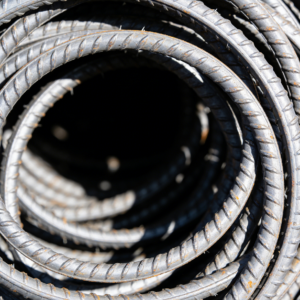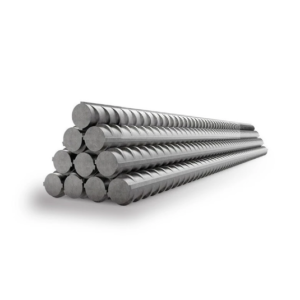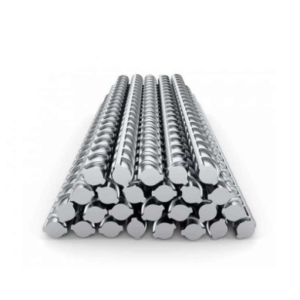
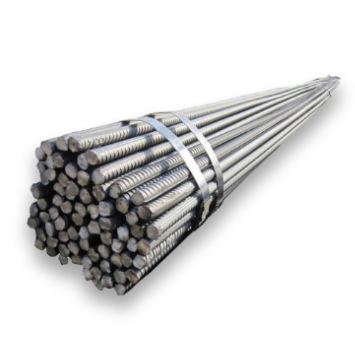
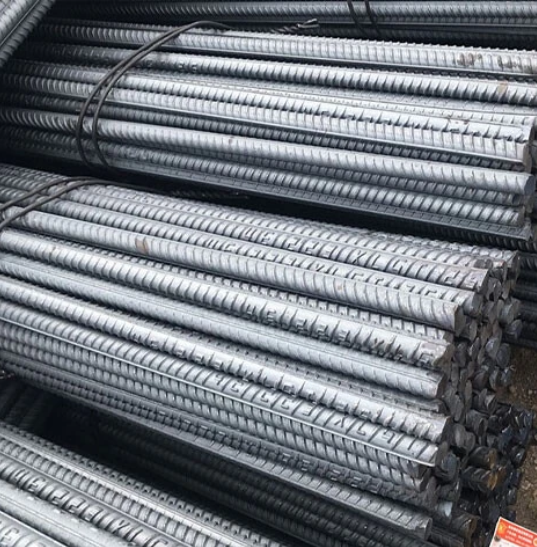
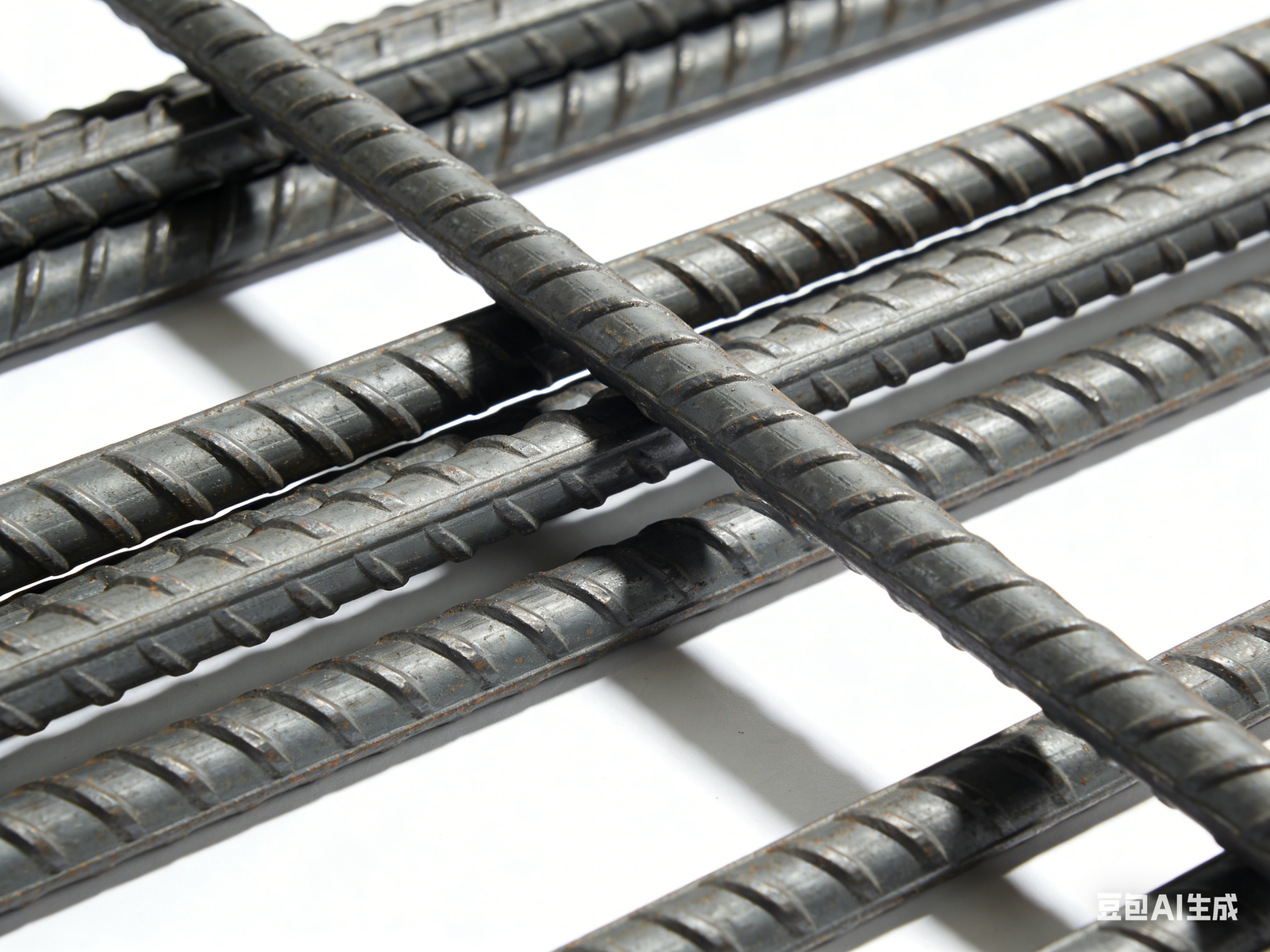
cWhat Are Deformed Steel Bars (Rebar)?
◉Grades (Based on Yield Strength)
|
Rebar Grade
|
Minimum Yield Strength (MPa)
|
Minimum Tensile Strength (MPa)
|
Elongation (%)
|
Typical Applications
|
|---|---|---|---|---|
|
Grade 40 (ASTM A615)
|
275
|
415
|
18
|
Residential buildings, small commercial structures
|
|
Grade 60 (ASTM A615)
|
420
|
550
|
17
|
Multi-story buildings, bridges, industrial structures
|
|
Fe415 (IS 1786)
|
415
|
485
|
14.5
|
Residential & commercial construction, light infrastructure
|
|
Fe500 (IS 1786)
|
500
|
550
|
12
|
High-rises, heavy infrastructure, seismic zone projects
|
|
BS 4449 Grade 500B
|
500
|
550
|
14
|
Commercial, industrial, and infrastructure projects in Europe
|
◉Sizes (Nominal Diameter)
◉Compliant Standards
◉Applications of Deformed Steel Bars (Rebar)
-
Residential Construction: Foundations, beams, columns, slabs, and staircases for houses, apartments, and townships.
-
Commercial Construction: Shopping malls, office buildings, hotels, and retail complexes.
-
Infrastructure Projects: Bridges, flyovers, highways, dams, canals, and railway tracks.
-
Industrial Construction: Factories, warehouses, power plants, and industrial sheds.
-
Seismic Zone Construction: Buildings and structures in earthquake-prone areas, where ductility and strength are critical.
-
Coastal & Marine Structures: Ports, harbors, and coastal buildings (with anti-corrosion treatment).
-
Underground Construction: Tunnels, basements, and underground parking structures.
◉FAQs About Deformed Steel Bars (Rebar)
1.What is the difference between deformed steel bars and smooth steel bars?
Deformed steel bars have a ribbed or deformed surface, which creates a strong mechanical bond with concrete, preventing slippage. Smooth steel bars lack this texture, making them less effective for reinforcement and suitable only for non-structural applications.
2.Are deformed steel bars corrosion-resistant?
Our deformed steel bars have a natural resistance to corrosion due to their uniform microstructure. For harsh environments (coastal, industrial), we offer optional galvanization or epoxy coatings to enhance corrosion resistance further.
3.Can deformed steel bars be welded?
Yes, our deformed steel bars are easily weldable using standard welding techniques. Proper pre-heating is recommended for re-bending and welding to avoid cracks and maintain structural integrity.
4.What grade of rebar do I need for my project?
The grade depends on the project’s load requirements and location. For residential projects, Grade 40 or Fe415 is sufficient. For high-rises, bridges, or seismic zones, Grade 60, Fe500, or BS 4449 Grade 500B is recommended.
5.Do you provide test certificates for your rebar?
Yes, we provide Material Test Certificates (MTC) for every batch of rebar, detailing chemical composition, mechanical properties, and compliance with international standards. Third-party test reports are available upon request.