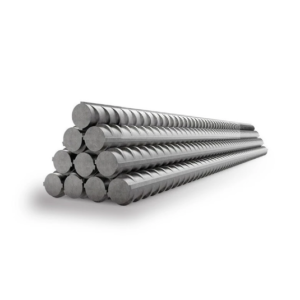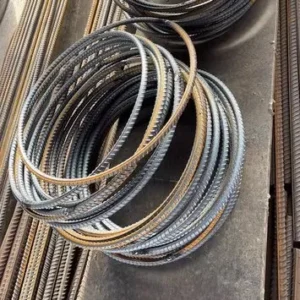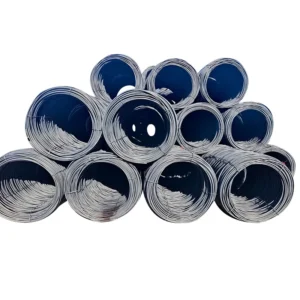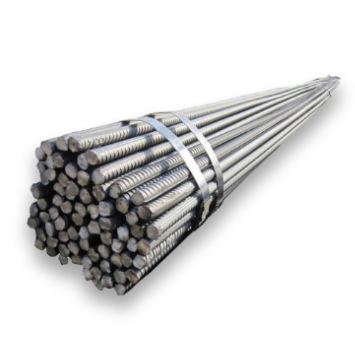
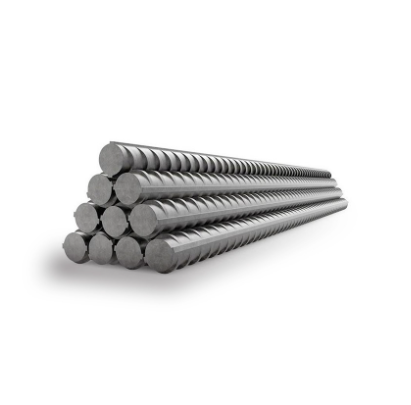
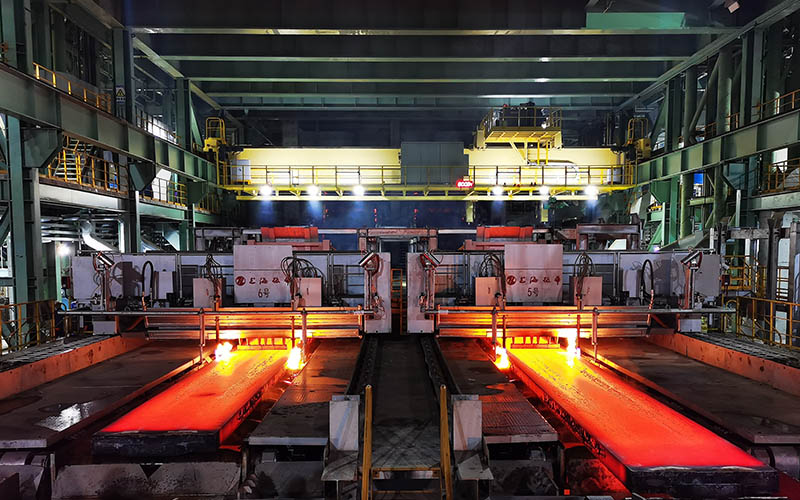
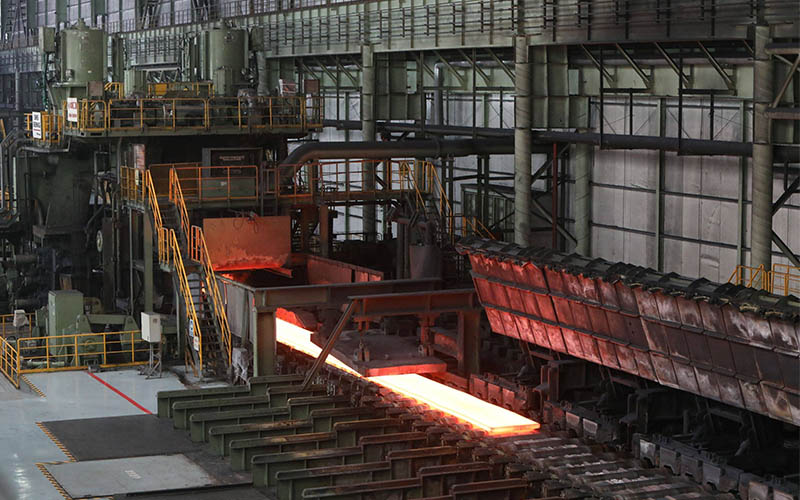
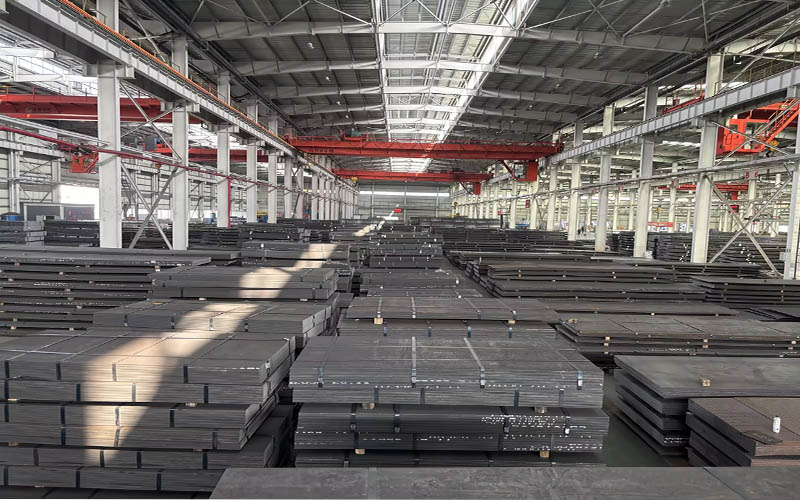
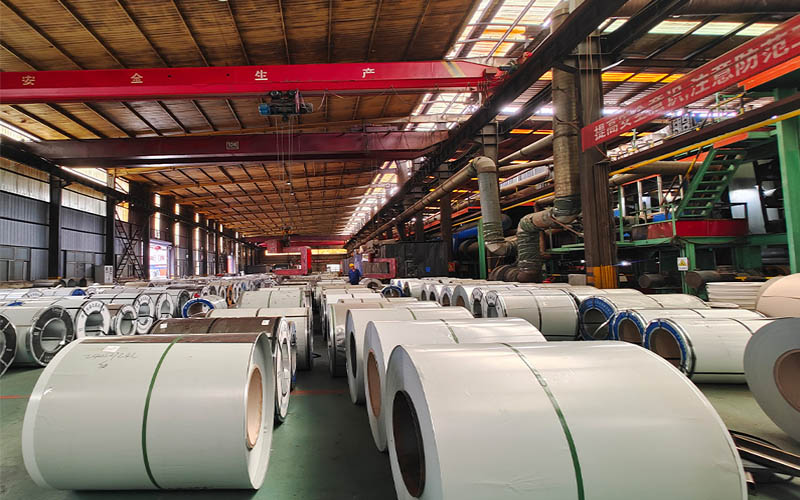
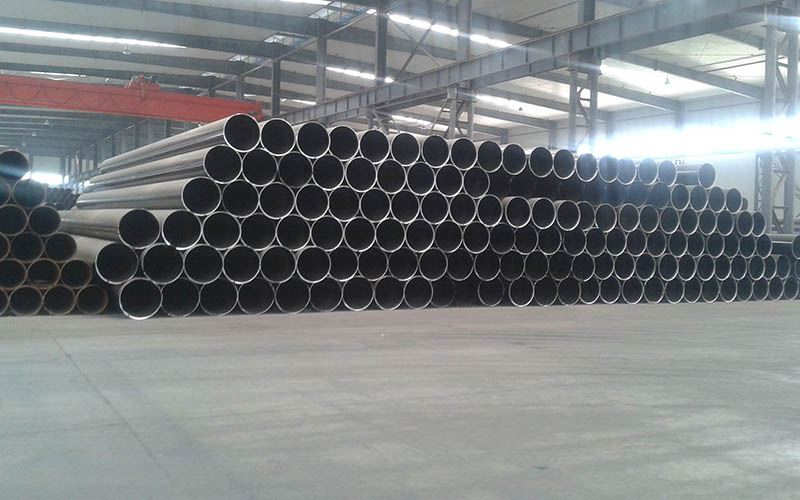
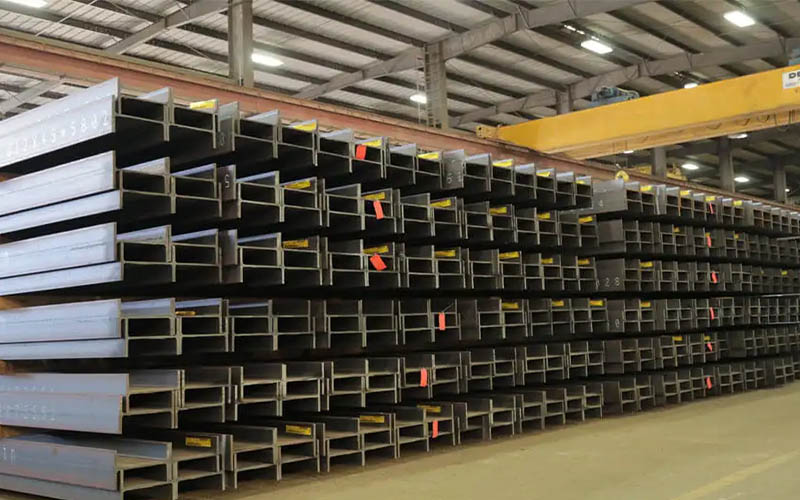
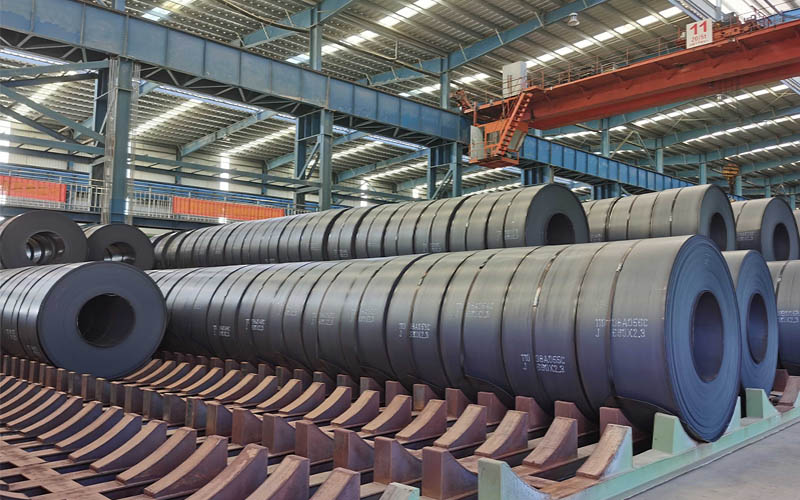
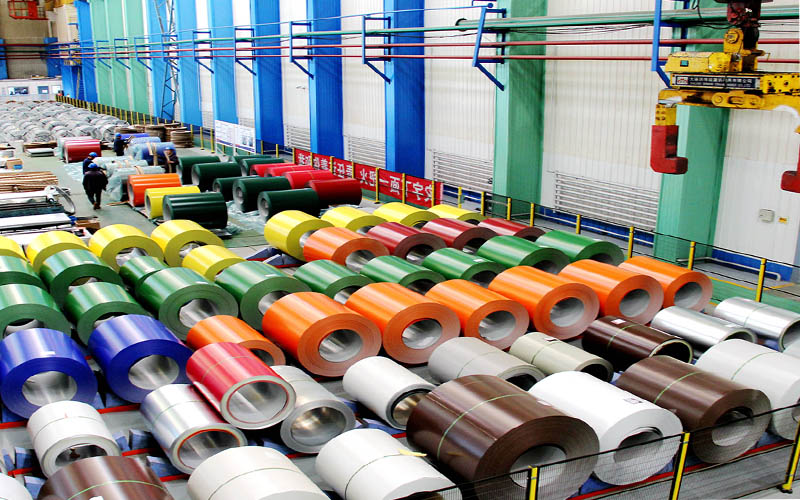
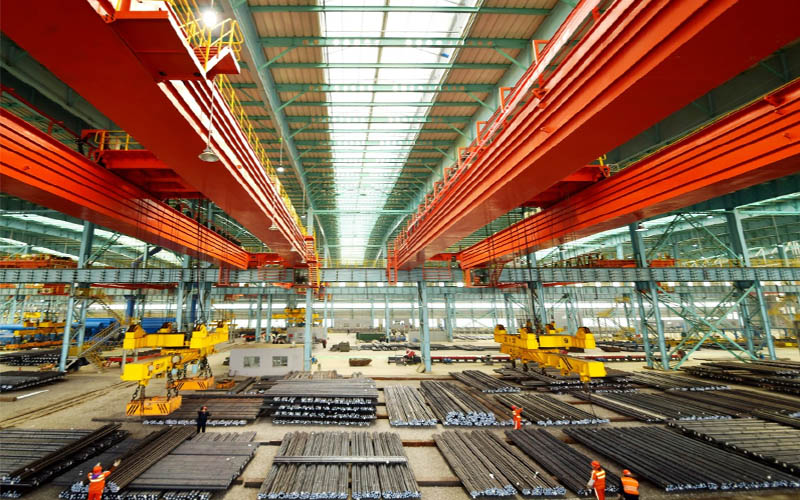

We supply high-quality carbon steel, alloy steel and stainless steel bars with reliable strength and good machinability. Widely used in construction, machinery manufacturing, fasteners and engineering projects, with customizable sizes available.
Email:melody@baosteelgroups.com
Whatsapp:+86 15864003919
1. How to get samples to check the quality? How long can I get the samples?
After the price is confirmed, samples can be provided for your evaluation. After confirming the sample details, the samples will be ready for delivery within 3-7 days, and sent to you by courier, and arrive within 3-5 days.
2.Do you provide samples ? is it free or extra ?
Answer:The sample could can provide for customer with free,but the courier freight will be covered by customer account.
3. Do you accept the third party inspection?
Answer: Yes absolutely we accept.
4.Can you accept customization?
Answer:Yes. If you have special requirements on products or packages, we can do customization for you.
5.How do you control the quality?
Answer:We have professional inspectors to analyze chemical composition of raw materials and test the finished products strictly according to standard stipulated in the contract. In this process, Internal and external surfaces, two ends appearance, bending degree, fixed length, outer diameter and wall thickness dimension etc will be checked one by one. You can be assured that all the products you get from us are reliable.
Rebar Grade | Minimum Yield Strength (MPa) | Minimum Tensile Strength (MPa) | Elongation (%) | Typical Applications |
|---|---|---|---|---|
Grade 40 (ASTM A615) | 275 | 415 | 18 | Residential buildings, small commercial structures |
Grade 60 (ASTM A615) | 420 | 550 | 17 | Multi-story buildings, bridges, industrial structures |
Fe415 (IS 1786) | 415 | 485 | 14.5 | Residential & commercial construction, light infrastructure |
Fe500 (IS 1786) | 500 | 550 | 12 | High-rises, heavy infrastructure, seismic zone projects |
BS 4449 Grade 500B | 500 | 550 | 14 | Commercial, industrial, and infrastructure projects in Europe |
1.What is the difference between deformed steel bars and smooth steel bars?
Deformed steel bars have a ribbed or deformed surface, which creates a strong mechanical bond with concrete, preventing slippage. Smooth steel bars lack this texture, making them less effective for reinforcement and suitable only for non-structural applications.
2.Are deformed steel bars corrosion-resistant?
Our deformed steel bars have a natural resistance to corrosion due to their uniform microstructure. For harsh environments (coastal, industrial), we offer optional galvanization or epoxy coatings to enhance corrosion resistance further.
3.Can deformed steel bars be welded?
Yes, our deformed steel bars are easily weldable using standard welding techniques. Proper pre-heating is recommended for re-bending and welding to avoid cracks and maintain structural integrity.
4.What grade of rebar do I need for my project?
The grade depends on the project’s load requirements and location. For residential projects, Grade 40 or Fe415 is sufficient. For high-rises, bridges, or seismic zones, Grade 60, Fe500, or BS 4449 Grade 500B is recommended.
5.Do you provide test certificates for your rebar?
Yes, we provide Material Test Certificates (MTC) for every batch of rebar, detailing chemical composition, mechanical properties, and compliance with international standards. Third-party test reports are available upon request.