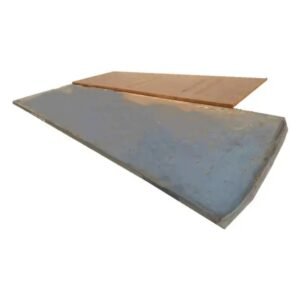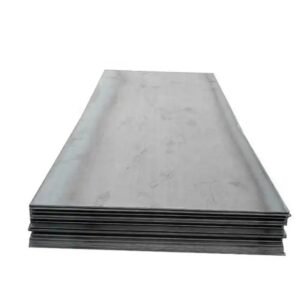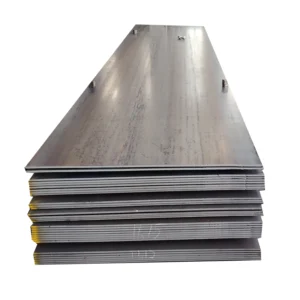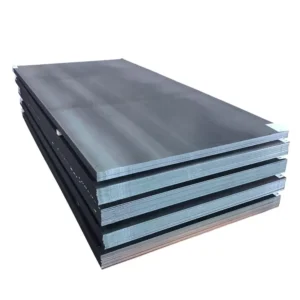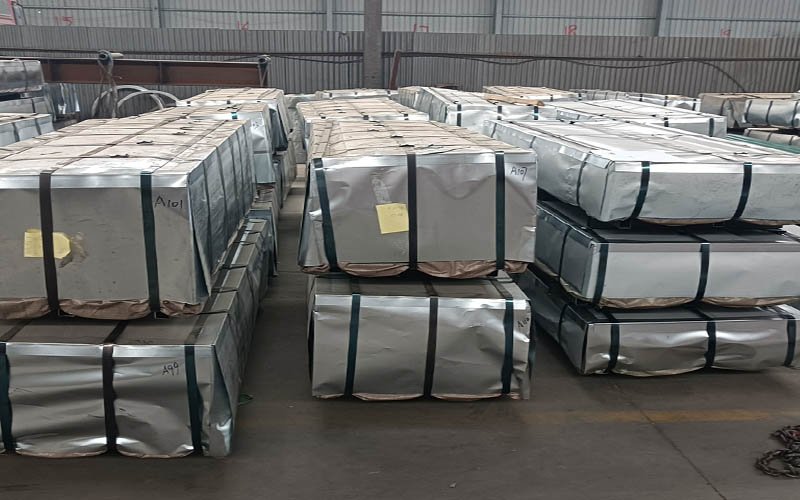
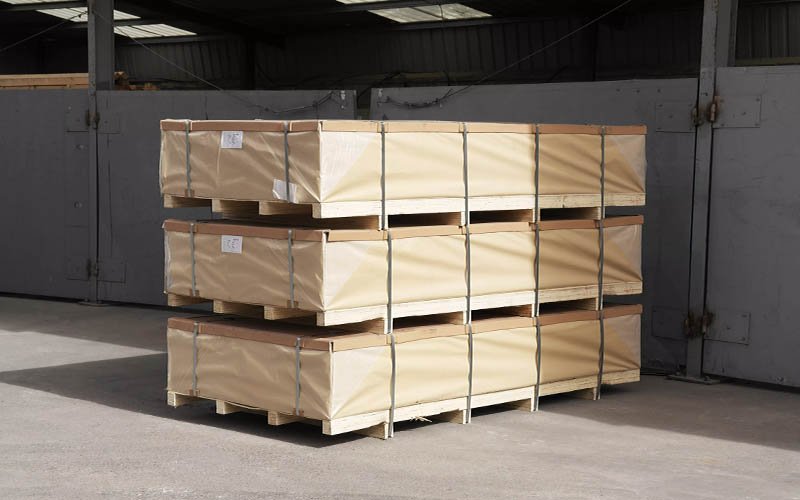

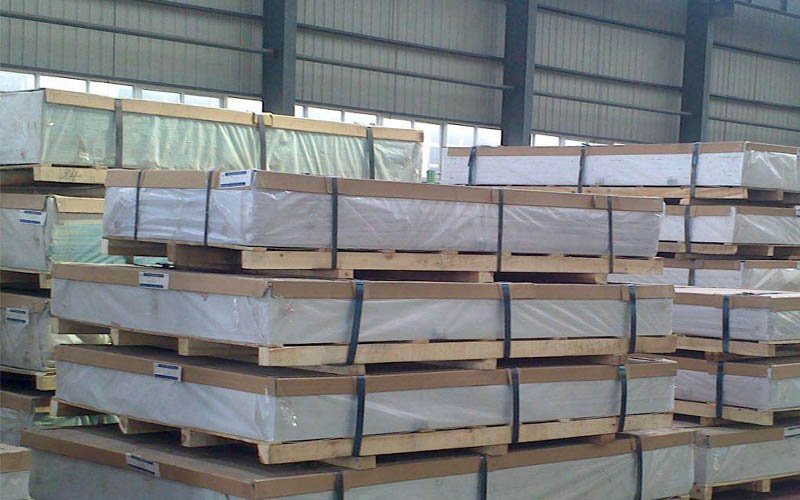
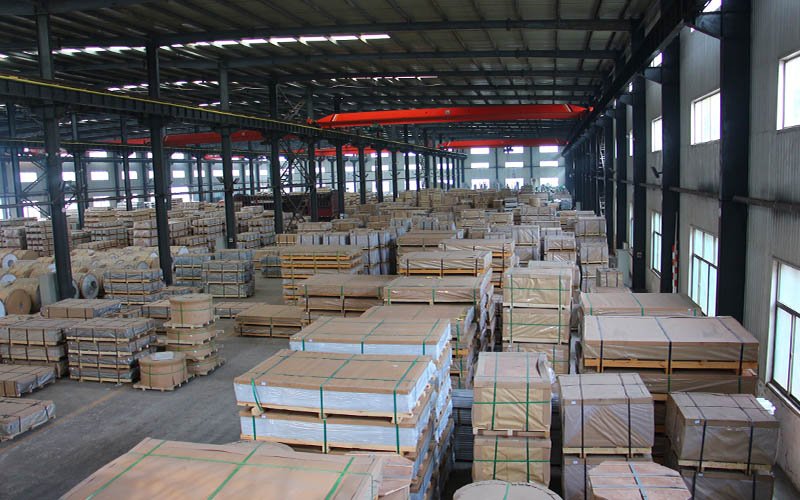
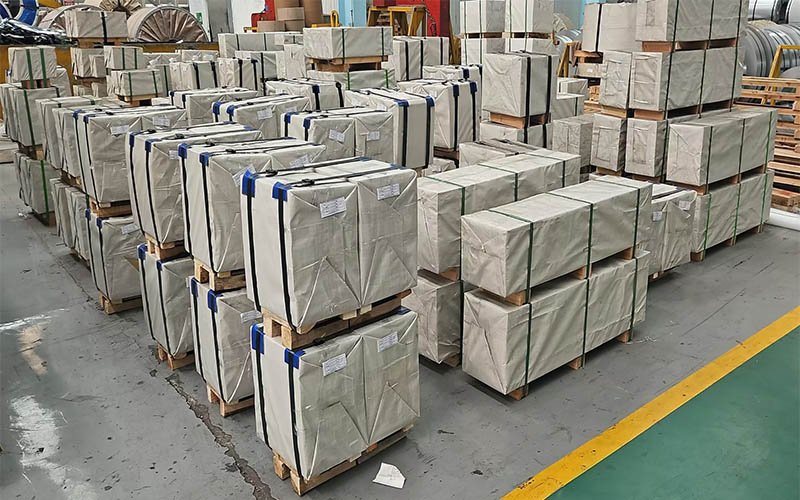

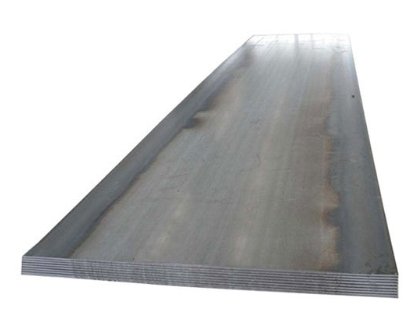
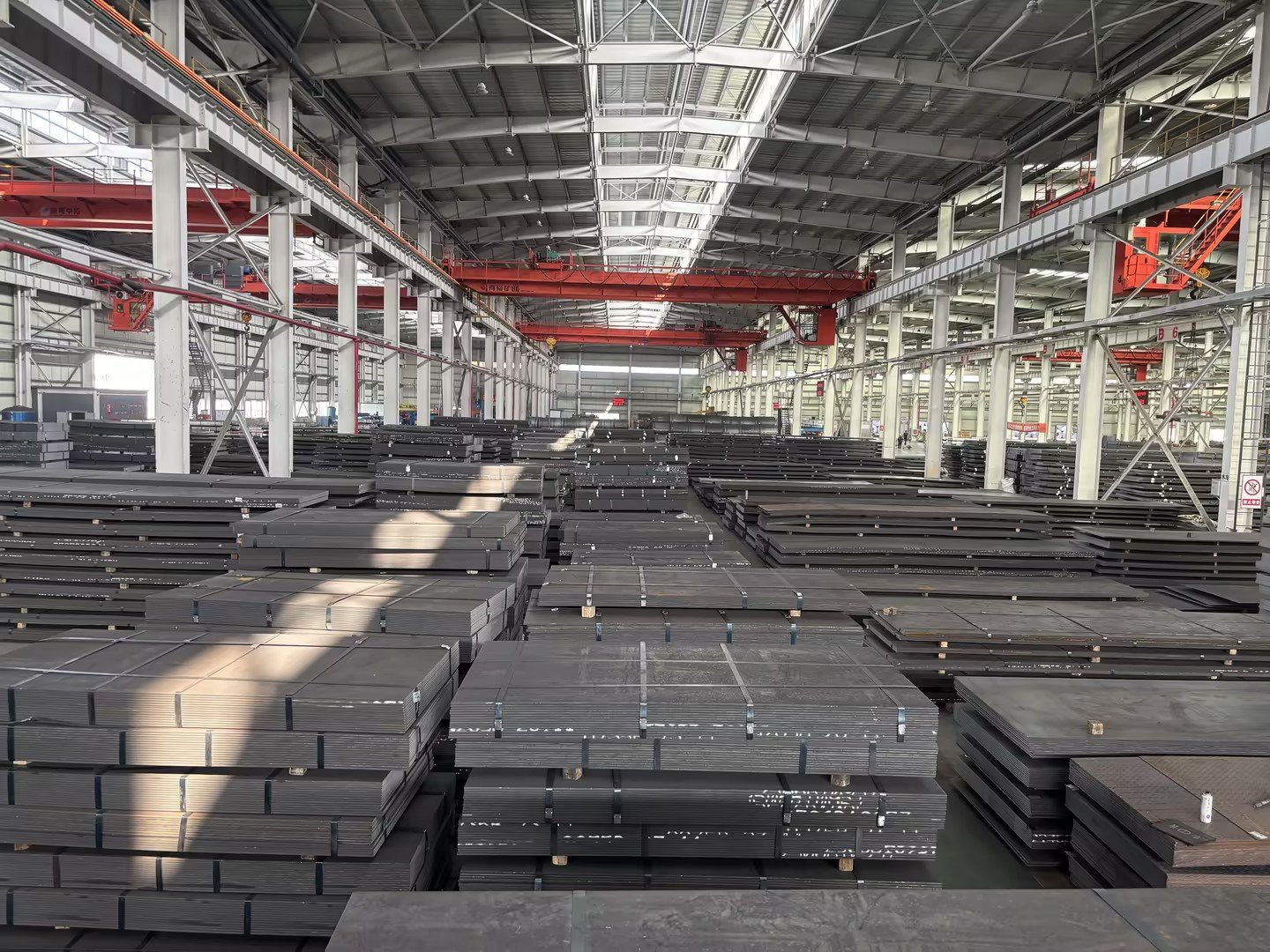
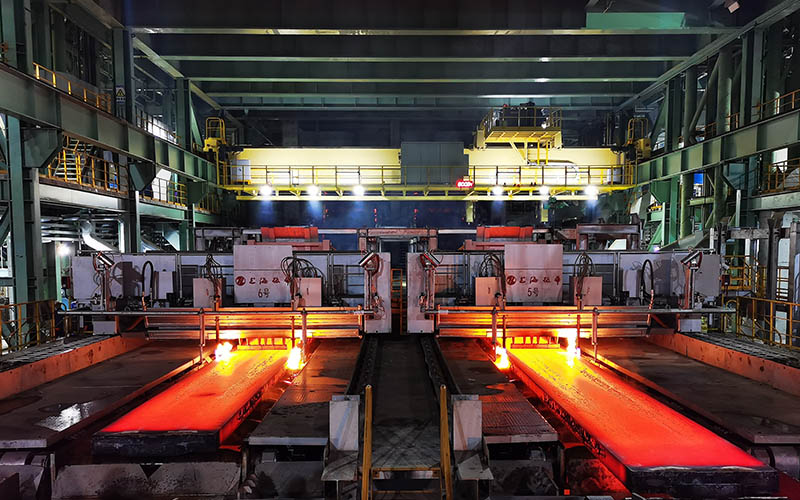
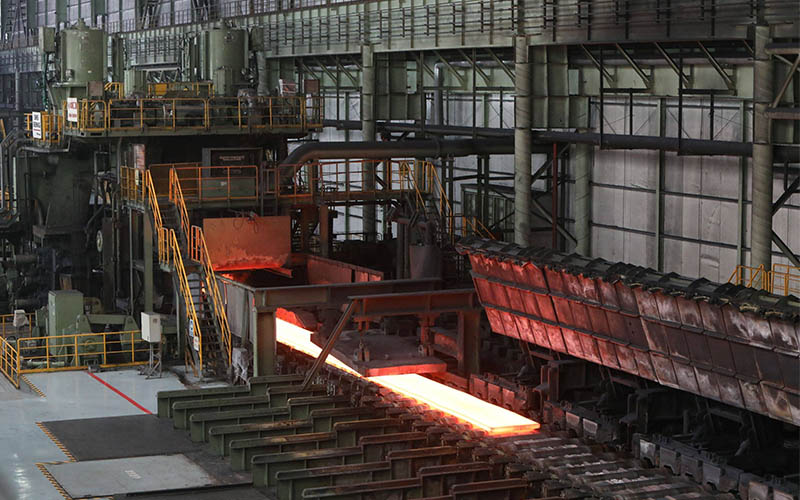
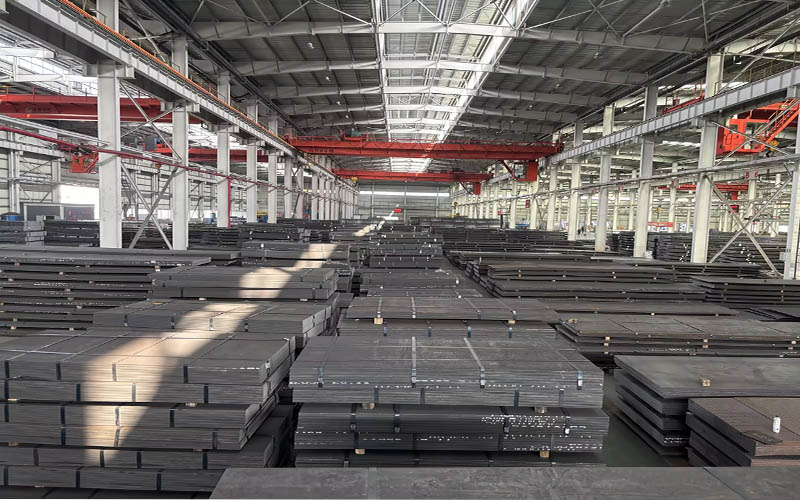
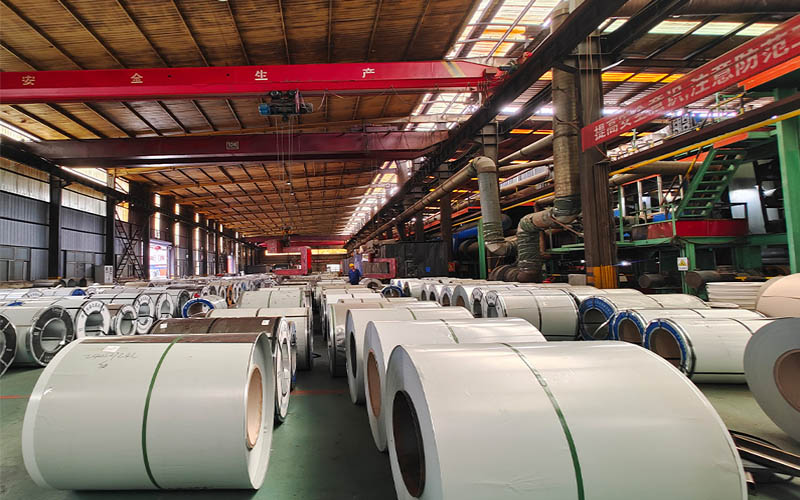
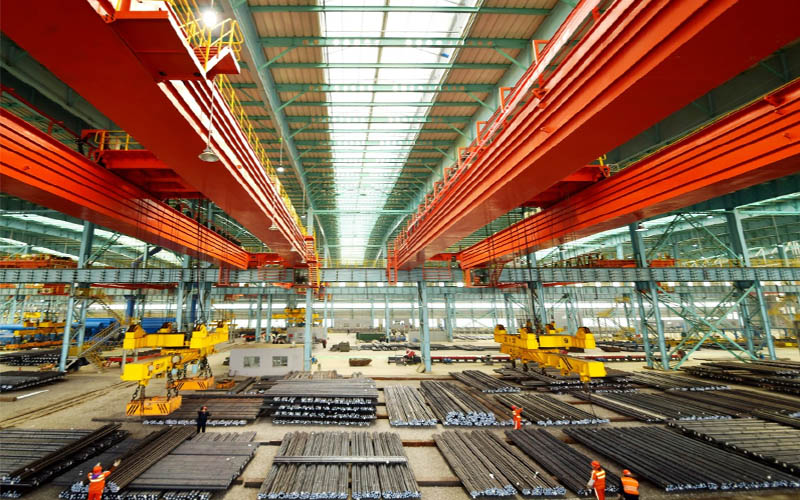
Carbon steel plates are iron-carbon alloy plates with carbon as the main alloying element. Common models include Q235B, Q345B, SS400, A36, S45C, SPCC, etc. The products are divided into hot-rolled carbon steel plates and cold-rolled carbon steel plates, covering low-carbon steel, medium-carbon steel, high-carbon steel and high-strength structural steel series. The thickness range is 1mm – 200mm.
1. How to get samples to check the quality? How long can I get the samples?
After the price is confirmed, samples can be provided for your evaluation. After confirming the sample details, the samples will be ready for delivery within 3-7 days, and sent to you by courier, and arrive within 3-5 days.
2.Do you provide samples ? is it free or extra ?
Answer:The sample could can provide for customer with free,but the courier freight will be covered by customer account.
3. Do you accept the third party inspection?
Answer: Yes absolutely we accept.
4.Can you accept customization?
Answer:Yes. If you have special requirements on products or packages, we can do customization for you.
5.How do you control the quality?
Answer:We have professional inspectors to analyze chemical composition of raw materials and test the finished products strictly according to standard stipulated in the contract. In this process, Internal and external surfaces, two ends appearance, bending degree, fixed length, outer diameter and wall thickness dimension etc will be checked one by one. You can be assured that all the products you get from us are reliable.
Mild Steel Plate (Low-Carbon Steel Plate/Soft Steel Plate) is one of the most fundamental steel products in industry. It refers to carbon structural steel with a low carbon content (typically between 0.05% and 0.25%), making it the most commonly used steel type in construction engineering and machinery manufacturing.
Low Carbon Content: Due to its low carbon content, it is not as hard and brittle as high-carbon steel, making it highly machinable.
Easy to Process: It possesses excellent weldability, cuttability, and bendability, allowing operations like bending and stamping without complex heat treatment.
Cost-Effective: With minimal alloying elements, it offers low raw material and processing costs, delivering high value for money.
Magnetic Properties: Exhibits ferromagnetic characteristics.
| Grade System | Typical Grade | Standard | Surface Condition | Common Size (mm) | Main Applications |
| GB (China) | Q235B | GB/T 700 | Hot rolled black, pickled, painted | Thickness: 3–200 | General structures, pipes, brackets, machinery parts |
| Width: 1000–2500 | |||||
| Length: 6000–12000 | |||||
| Q195 | GB/T 700 | Hot rolled | 1.5–10 | Stamping parts, wire, pipe making | |
| EN (Europe) | S235JR | EN 10025-2 | Hot rolled, pickled, coated | 3–200 | General engineering, steel structures, fabrication |
| ASTM (USA) | A36 | ASTM A36 | Hot rolled, painted | 6–200 | Construction, bridges, general plates |
| JIS (Japan) | SS400 | JIS G3101 | Hot rolled, pickled | 3–200 | General structure, machinery, base plate |